



Vaginal Health & Dryness
Vaginal dryness can affect your vaginal health
A woman’s vaginal health is an important part of her overall health.
Vaginal issues can take a toll on a woman’s emotional state, relationship, self-esteem, and desire for sex, just to name a few.
Why does vaginal dryness happen?
A decrease in estrogen secretions (eg. around menopause) can have several negative effects on the body, one of which being inadequate lubrication of the vaginal walls which leads to vaginal dryness. This is extremely irritating and uncomfortable for a woman, and can also negatively impact her vaginal health (by causing soreness, painful intercourse and/or light bleeding, recurrent infection, etc.) and overall health (by affecting self-image, emotional intimacy, etc.).
A thin layer of clear fluid typically helps the vaginal walls stay lubricated. Estrogen aids in sustaining the production of this fluid and helps to maintain a healthy vagina in terms of adequate moisturization, thickness, and elasticity of the vaginal walls. This means that when estrogen is decreased, vaginal mucosa can become dry, thin and less elastic. This lends itself to more fragile tissue that may tear and/or bleed, and can also be more susceptible to infections.
While vaginal dryness is often associated with menopause, it can be prompted by other causes at various ages.
Possible Causes of Vaginal Dryness
Vaginal dryness can occur at different times in a woman’s life which can be prompted by various causes, including:
- Peri-menopausal state
- Chemotherapy or hormone therapy for cancer treatment
- Surgical removal of ovaries
- Childbirth
- Breastfeeding
- Some medications (allergy or cold medications, or anti-estrogen medications)
- Immune disease (such as Sjorgren’s syndrome in which your immune system attacks healthy tissue)
- Frequent douching (disrupts the vagina’s chemical balance and can cause inflammation)
- Lack of foreplay prior to sexual activity
The Impact of Vaginal Dryness on Daily Life
The severity of vaginal dryness may vary from woman to woman, but nonetheless, it is commonly irritating and uncomfortable and can significantly impact a woman’s quality of life.
Vaginal dryness may be accompanied by:
- Itching or burning
- Pain or light bleeding with sexual intercourse
- Recurrent urinary tract infections
- Urinary frequency or urgency
Vaginal dryness can affect a woman’s daily life due to:
- Discomfort
- Soreness
- Difficulty walking or exercising
- Pain during sexual intercourse (dyspareunia)
- Decreased self-confidence and mood caused by stress and negative emotions
It is advisable to seek medical advice if you experience symptoms of vaginal dryness.
You Are Not Alone
A study conducted by the North American Menopause Society (2014) demonstrated the impact of vaginal discomfort on women and their partners. Of the 1,000 women (aged 55 – 65) experiencing vaginal discomfort and 1,000 male partners, it was found that:
of women avoided intimacy due to vaginal discomfort
of women experienced loss of libido due to vaginal discomfort
of women experienced pain associated with sex
of men and women claimed they ceased having sex altogether due to vaginal discomfort
of women aged 18-50 experience problems with vaginal dryness during sex, even before menopause takes place
Treatment Options
There are many effective options available to help relieve vaginal dryness. These include topical or oral forms of hormonal and non-hormonal options such as suppositories, creams, lubricants, gels, moisturizers, tablets and estrogen therapies.
The most commonly used options are lubricants, moisturizers and hormonal (estrogen) therapy. Hormonal therapies are prescribed by a doctor, while other options such as moisturizers are provided over the counter. The table below (adapted from the North American Menopause Society) explains the options most commonly used.
Examples of Non-Hormonal Treatment
Water-soluble Vaginal Lubricants

Reduce discomfort with sexual activity when the vagina is dry by decreasing friction.
Vaginal Moisturizers like RepaGyn®
Line the wall of the vagina (adding topical moisture) and maintain vaginal moisture.
Regular Sexual Stimulation
Promotes vaginal blood flow and secretions. Sexual stimulation with a partner, alone, or with a device (such as a vibrator) can improve vaginal health.
Expanding your views of sexual pleasure
Include “outercourse,” such as extended caressing, mutual masturbation, and massage is an effective way to make painful vaginal penetration (intercourse) more comfortable or provide a way to remain sexually intimate in place of intercourse.
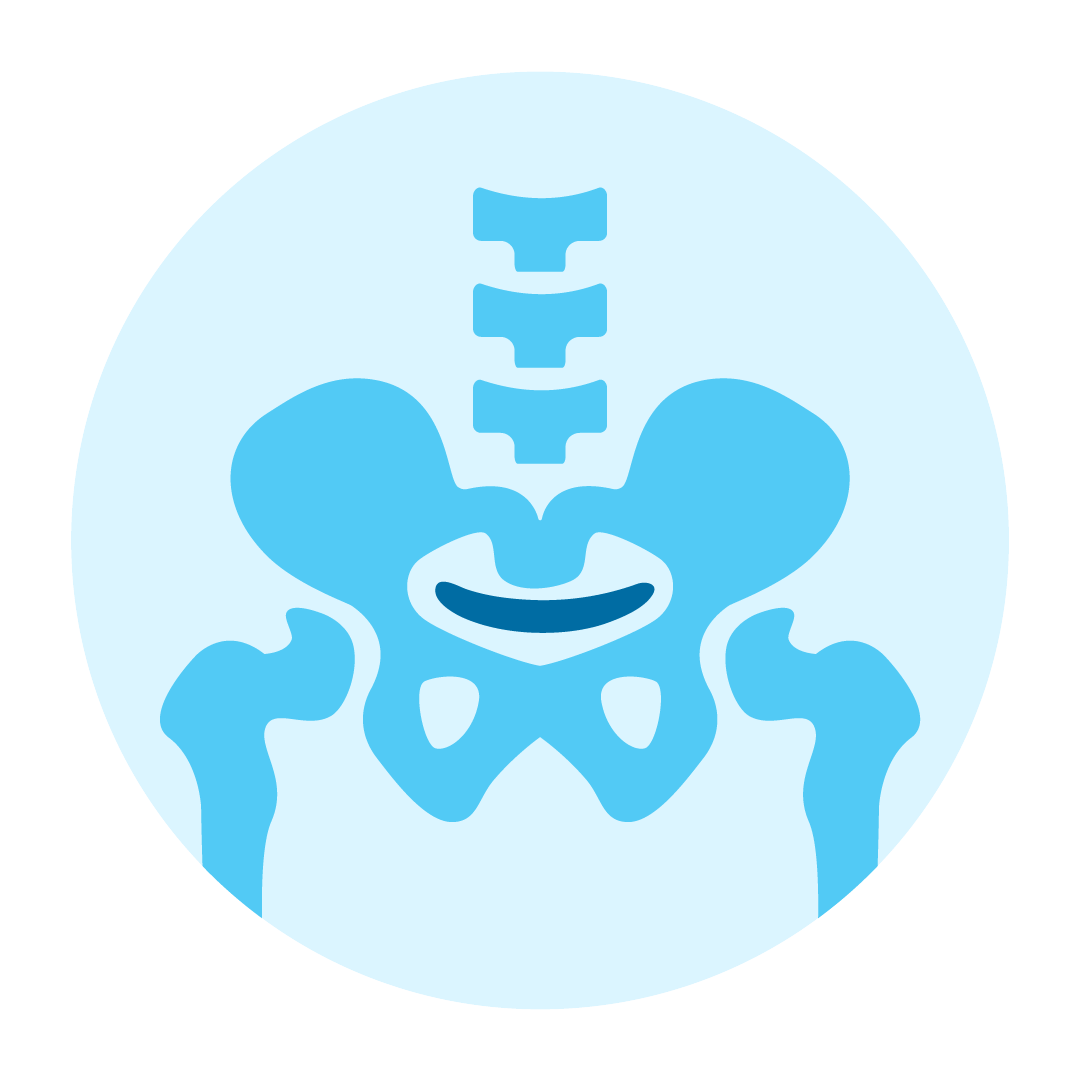
Pelvic floor exercises
Can both strengthen weak vaginal muscles and relax tight ones.
Pelvic floor exercises, or Kegels, strengthen the muscles that support your bladder, bowel, and uterus. Consistent daily practice improves or prevents urinary leakage and pelvic organ prolapse. Aim for 60 to 100 contractions per day, combining endurance holds and quick squeezes for maximum benefit.
Examples Hormonal Treatment
Systemic Doses of Estrogen
Can be used for hot flashes and night sweats, vaginal symptoms, and osteoporosis prevention; it is absorbed in the blood at high enough levels to have significant effects on all parts of the body (available as an oral tablet)
Local (Vaginal) Low-Dose Estrogen
Placed directly in the vagina safely treat vaginal symptoms, such as dryness and pain with sex. These are available as oral tablets or as transdermal (patches or gels).
What is Hyaluronic Acid?
Hyaluronic acid is the medicinal ingredient in RepaGyn®. Each 2 g vaginal suppository contains 5 mg of sodium hyaluronate. RepaGyn® helps relieve dryness and helps to promote healing of vaginal mucosa.
Hyaluronic acid is found naturally occurring in the body in fluids and connective tissue. In the body, hyaluronic acid plays a crucial role in maintaining tissue hydration.
To find out if RepaGyn® is right for you, speak to your healthcare provider.
Sources
Vagina: What’s Normal, What’s Not. Mayo Clinic. February 28, 2015. Retrieved on March 17, 2015, from
http://www.mayoclinic.org/healthy-living/womens-health/in-depth/vagina/art-20046562
Vaginal Dryness: Causes and Moisturizing Treatments. WebMD. May 19, 2023. Retrieved on November 18, 2023, from
https://www.webmd.com/women/vaginal-dryness-causes-moisturizing-treatments
Causes of Vaginal Dryness. Mayo Clinic. December 21, 2012. Retrieved on March 17, 2015, from
http://www.mayoclinic.org/diseases-conditions/vaginal-dryness/basics/causes/con-20029192
Symptoms of Vaginal Dryness. Mayo Clinic. December 21, 2012. Retrieved March 17, 2015, from http://www.mayoclinic.org/diseases-conditions/vaginal-dryness/basics/symptoms/con-20029192
Simon, James A., et al. Clarifying Vaginal Atrophy’s Impact on Sex and Relationships (CLOSER) survey: emotional and physical impact of vaginal discomfort on North American postmenopausal women and their partners. PubMed. Retrieved on March 17, 2015, from
http://www.ncbi.nlm.nih.gov/pubmed/23736862
MenoNote: Vaginal Dryness. 2014. Consumer Education Committee of the North American Menopause Society. Accessed from:
https://menopause.org/wp-content/uploads/for-women/Menonote-Menopause-and-Sexual-Function.pdf
The Menopause Guidebook. Seventh Edition. 2014. North American Menopause Society. ISBN 978-0-9701251-4-9
Vaginal Dryness. Women’s Health Concern. October 2023. Retrieved on June 23, 2026, from https://www.womens-health-concern.org/wp-content/uploads/2023/11/25-WHC-FACTSHEET-VaginalDryness-OCT2023-B.pdf
Kegel Exercises. Cleveland Clinic. Reviewed March 4, 2024. Retrieved on June 23, 2026, from https://my.clevelandclinic.org/health/articles/14611-kegel-exercises
Hyaluronic Acid: A Powerful Biomolecule with Wide-Ranging Applications—A Comprehensive Review